Category Archives: Harvest

40th Anniversary

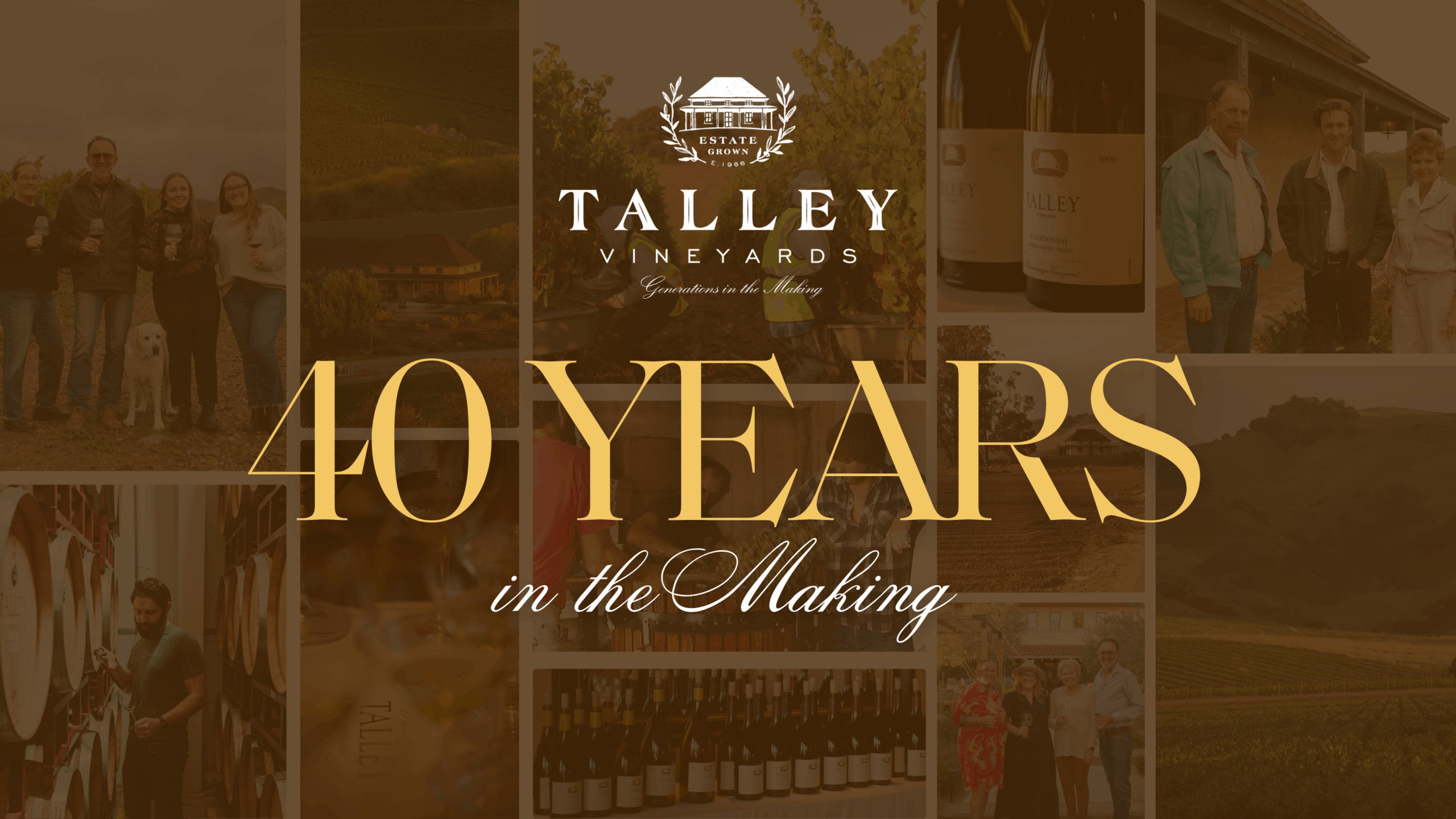
Forty Years and Four Generations

January 2026

It was forty years ago that my parents, Don and Rosemary Talley, produced the inaugural vintage of Talley Vineyards wines.  At the same time, our fourth generation is playing an increasing leadership role in our family businesses (both Talley Farms and Talley Vineyards) and I’d like to share just a few of the key contributions of each generation as we head into 2026.

The foundation for Talley Vineyards was laid by my grandfather, Oliver Talley, when he began farming in the Arroyo Grande Valley in 1948.  It was during those early years that he and my grandmother, Hazel, established many of the foundational values that continue to serve us to this day:  a commitment to hard work; treatment of everyone in our community (employees, vendors, customers, neighbors and friends) with dignity and respect; and a commitment to excellence in farming and in all of our business dealings.  To honor his contribution, we named our first vineyard planted in the Edna Valley after my grandfather in 1991.  Oliver’s Vineyard Chardonnay became his house wine later in life.

Founding Talley Vineyards was just one of many calculated risks that my parents took between the 1960s and early 2000s when both were active leaders in our family business.  From purchasing our first farmland in 1966, planting our iconic Rincon, Rosemary’s and Oliver’s Vineyards between 1982 and 1991, to constructing our wine production facilities between 1991 and 2001; they provided so much of the vision and the commitment to convert the promise of Talley Vineyards into the reality of a thriving business.  Though my father passed away in 2006, my mother continues to play a very active role at Talley Farms, and keeps a watchful eye over Rosemary’s Vineyard, which surrounds her house.

I still find it shocking that they appointed me to become General Manager of this fledgling business in 1991 when I was 26 years old.  I was blessed to work alongside my wife Johnine and some remarkable employees as we built upon the solid foundation created by the two preceding generations.  So many remarkable things have happened during my tenure, from having our wines served at the White House, to being recognized as the top California Chardonnay in the 30th Anniversary Judgment of Paris Tasting, to establishing the Fund for Vineyard and Farm Workers; this has been a time of growth and adaptation as the wine business has evolved.  I’m especially proud to be joined by my daughter Elizabeth, along with a great group of younger employees who show up with the passion that it takes to succeed in the wine business in 2026.

This year marks my daughter Elizabeth’s third year with Talley Vineyards and she’s already having a remarkable impact.  Elizabeth is the fourth member of our forth generation to join our family business.  In her role leading our marketing effort, as well as increasingly being the face of Talley Vineyards, she’s engaging a new audience that appreciates both the authenticity of sustainably produced wines along with the energy of a zillennial who connects with them on TikTok and Instagram.  If you don’t already follow us on one of these platforms, you should.

I want to assure you that we have lots of cool ways to connect in 2026 as we travel the country tasting and sharing our wines. 

– Brian Talley

Check out our full calendar of events
Generations in the Making

For nearly 80 years the Talley family has farmed on the San Luis Obispo Coast, a tradition that began in 1948 when Oliver Talley founded Talley Farms. Discover Talley Vineyards.
Next Post

Estate Pinot Noir

Read

2025 Harvest

Brian’s 2025 Harvest Update

September 12, 2025

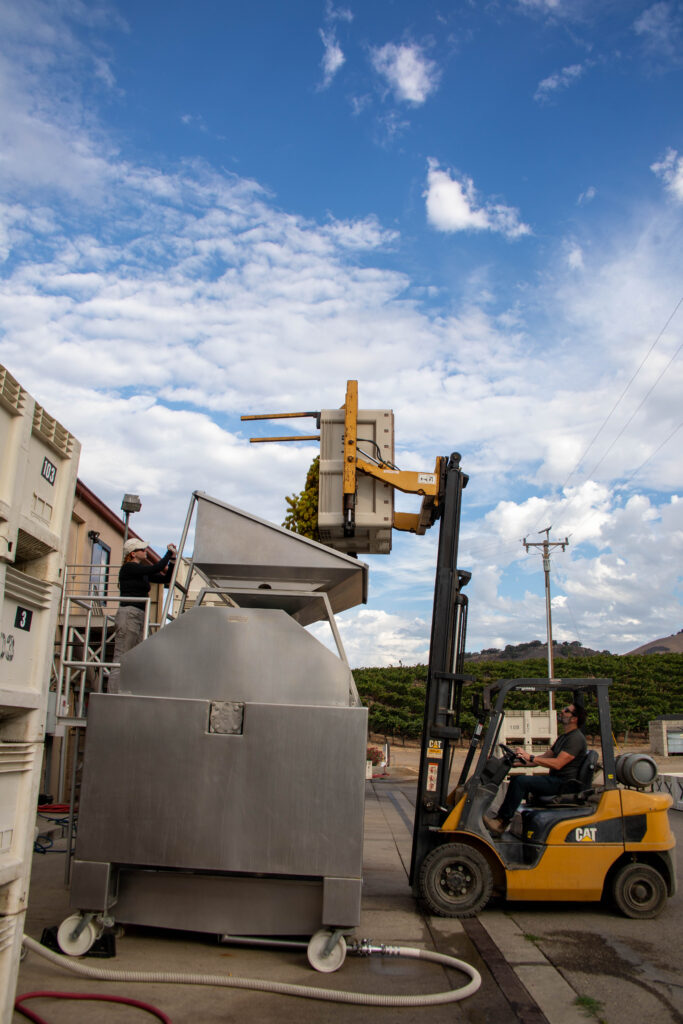
The 2025 harvest at Talley Vineyards began August 25 with a small pick from West Rincon Block 5, one of the best sections of that vineyard, and the first block harvested for the second year in a row.  This was 8 days before our start in 2024 and almost a month earlier than the historically late start of 2023.  Yields are higher than the very small 2024 harvest but nowhere near the large harvest of 2023, and I think we will finish at just below average for both Chardonnay and Pinot Noir. As of September 12, we had harvested nearly 50 tons of Pinot Noir and 20 of Chardonnay, or about 81% more than last year.

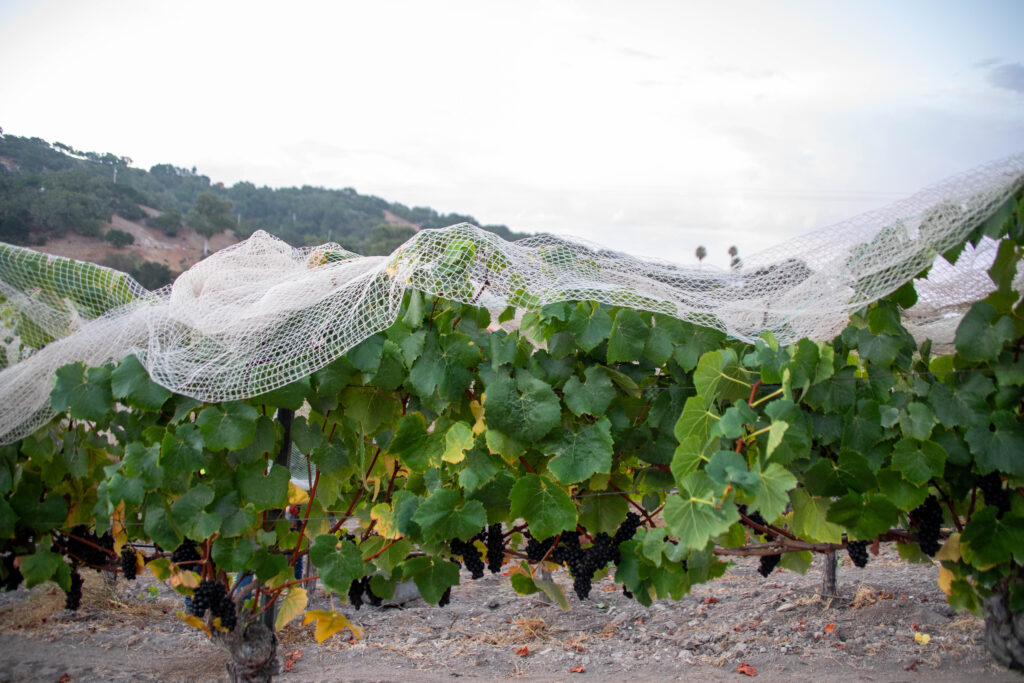
The 2025 growing season has been spectacular with cool weather persisting throughout the summer and a couple of very minor heatwaves that were short in duration with mild high temperatures. Rainfall in the Arroyo Grande Valley was just over 15 inches for the year or about 83% of the long term average.  All of the fruit we’ve harvested has been clean and free of botrytis and mildew, two of our greatest challenges in the San Luis Obispo Coast in cool, wet years.  Fermentations have been clean and uneventful and our first press loads of Pinot Noir show tremendous potential with beautiful fragrance and concentration.  Based on everything I’ve seen so far, I have high hopes for the 2025 vintage!    

Watch A Day in the Life of Harvest

Pinot Noir Edition

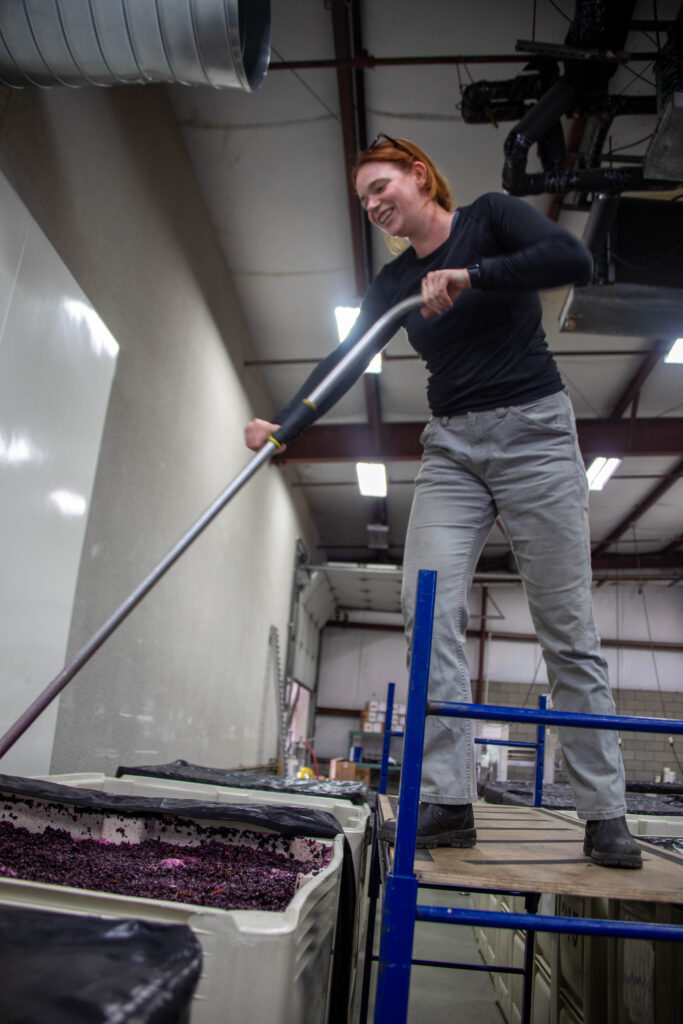
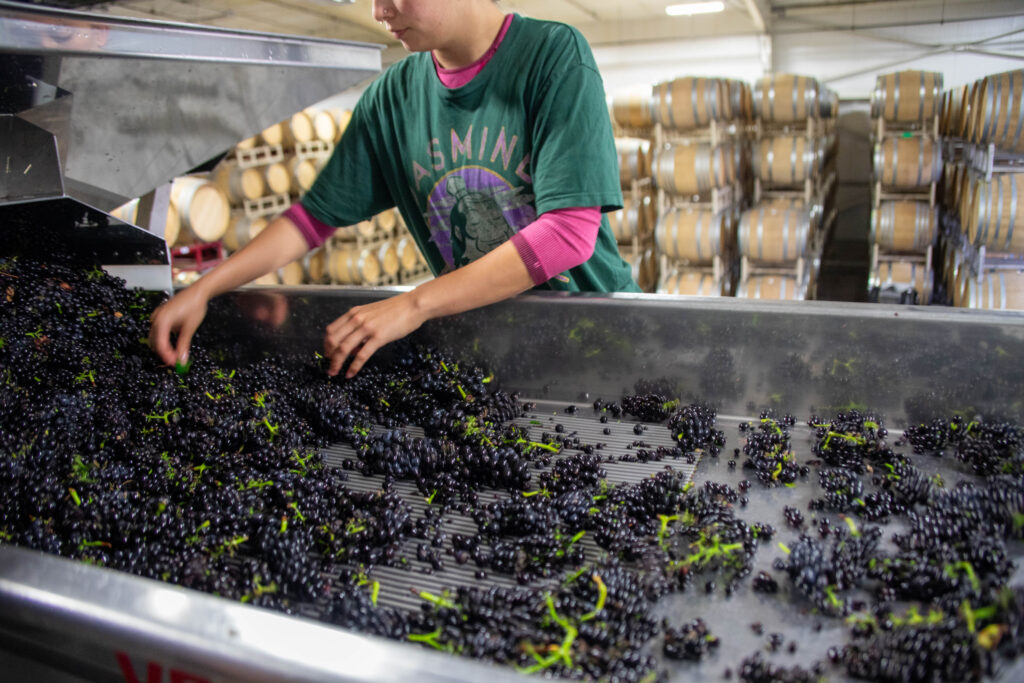
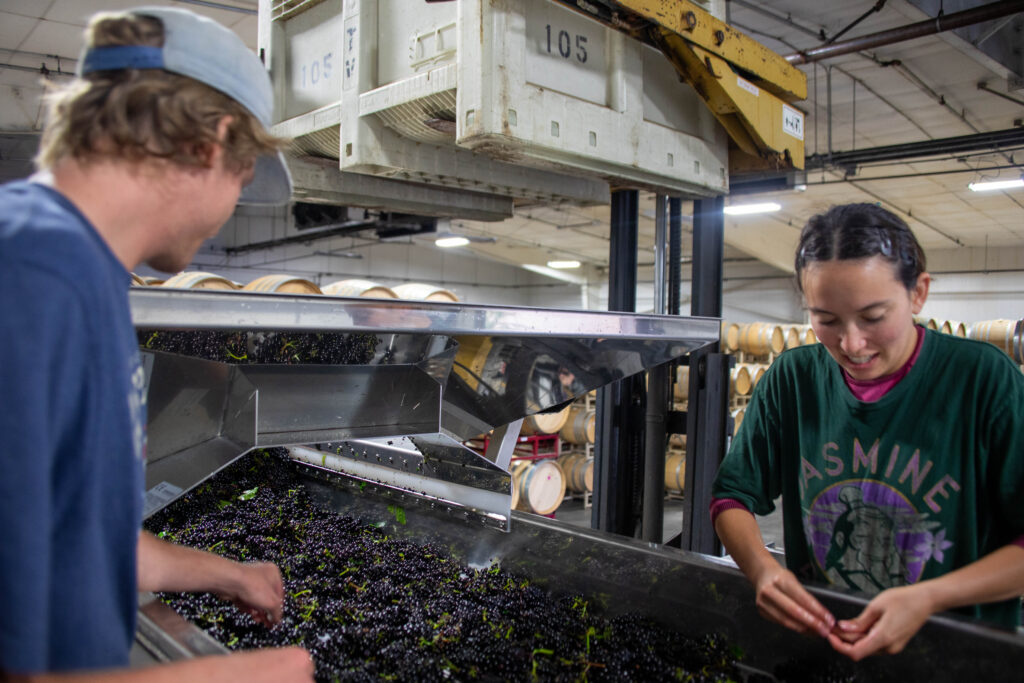
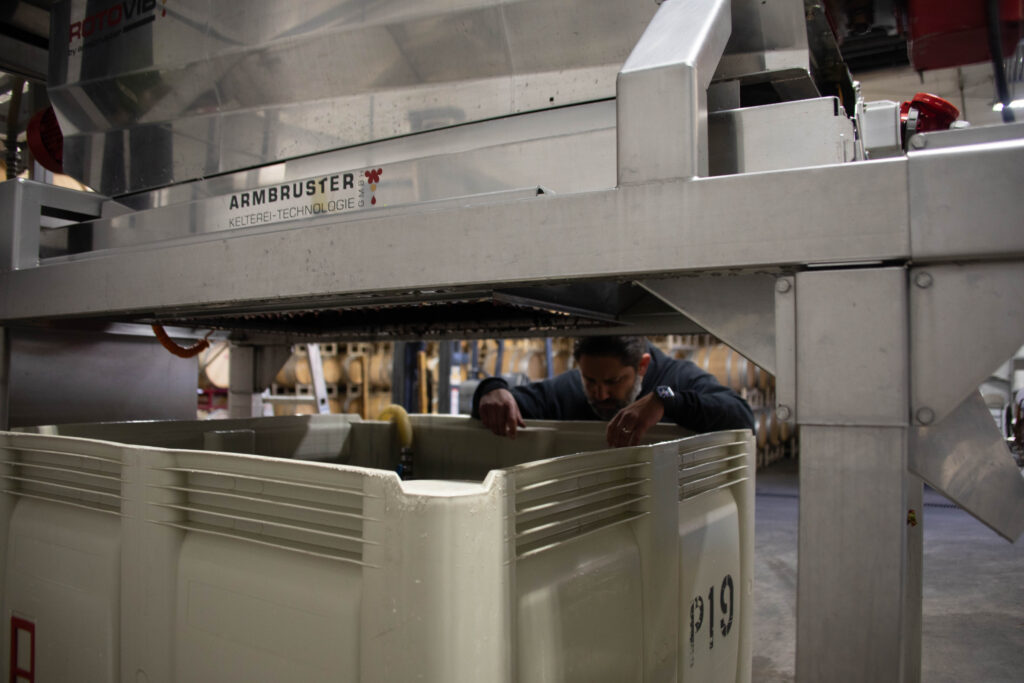
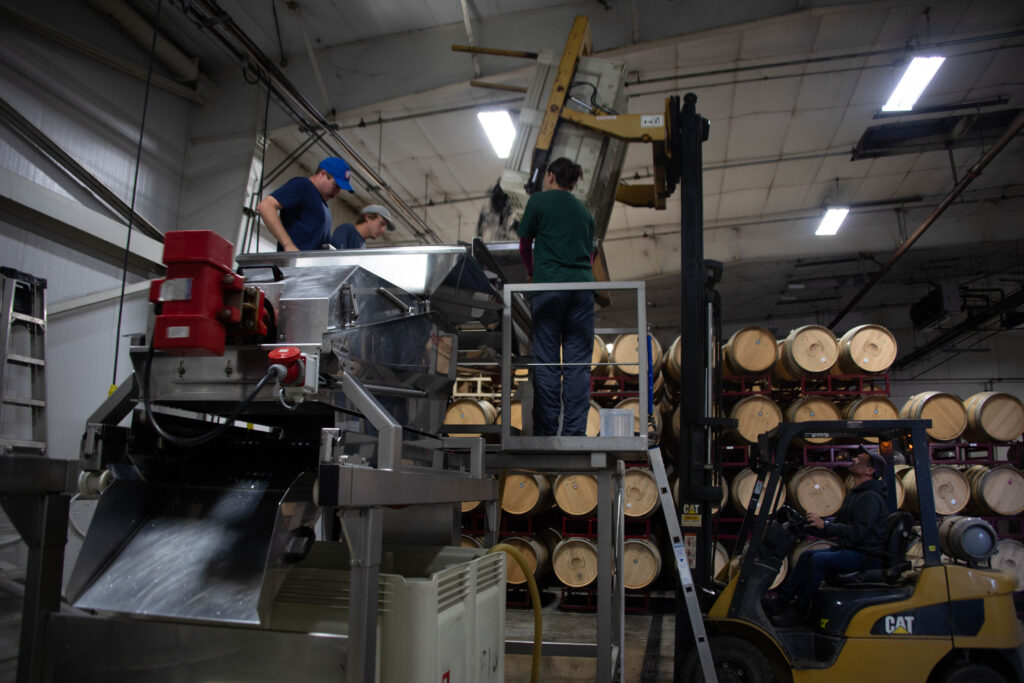
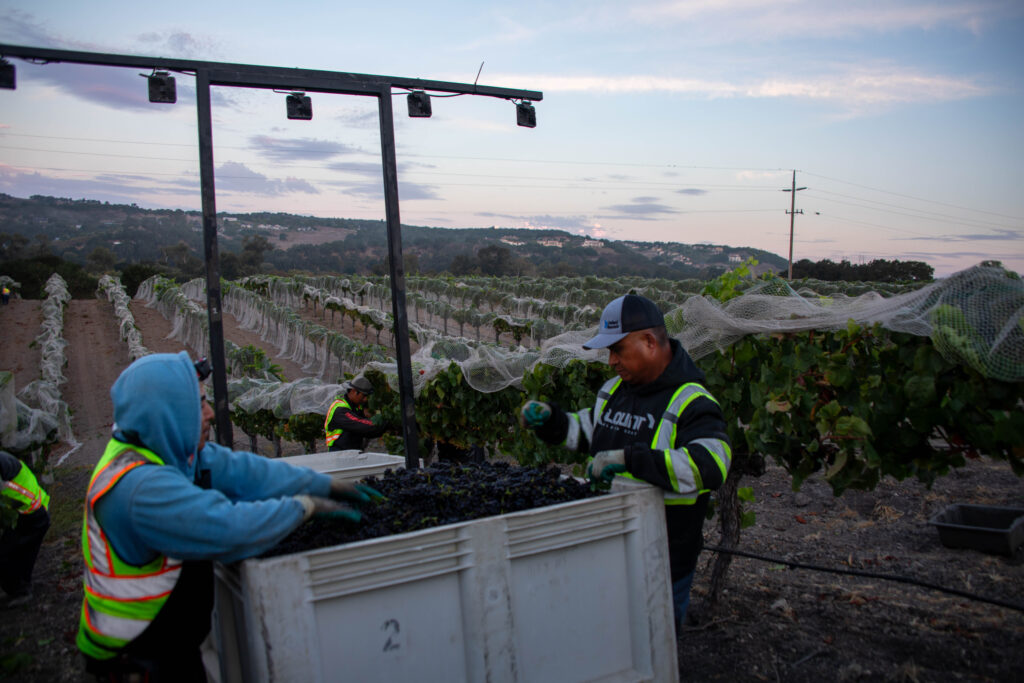
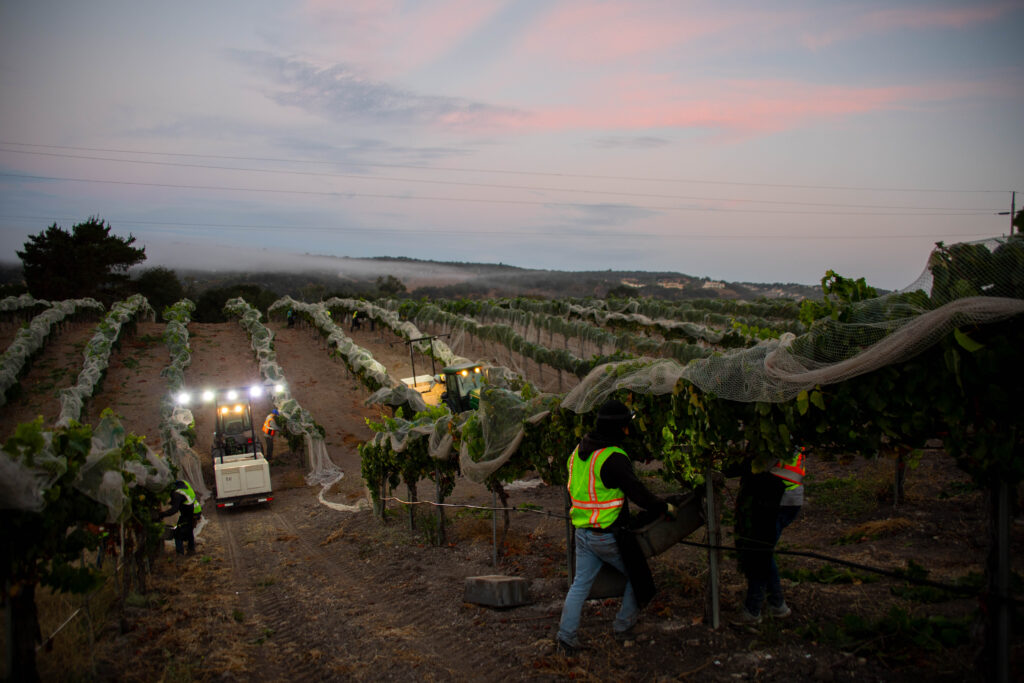
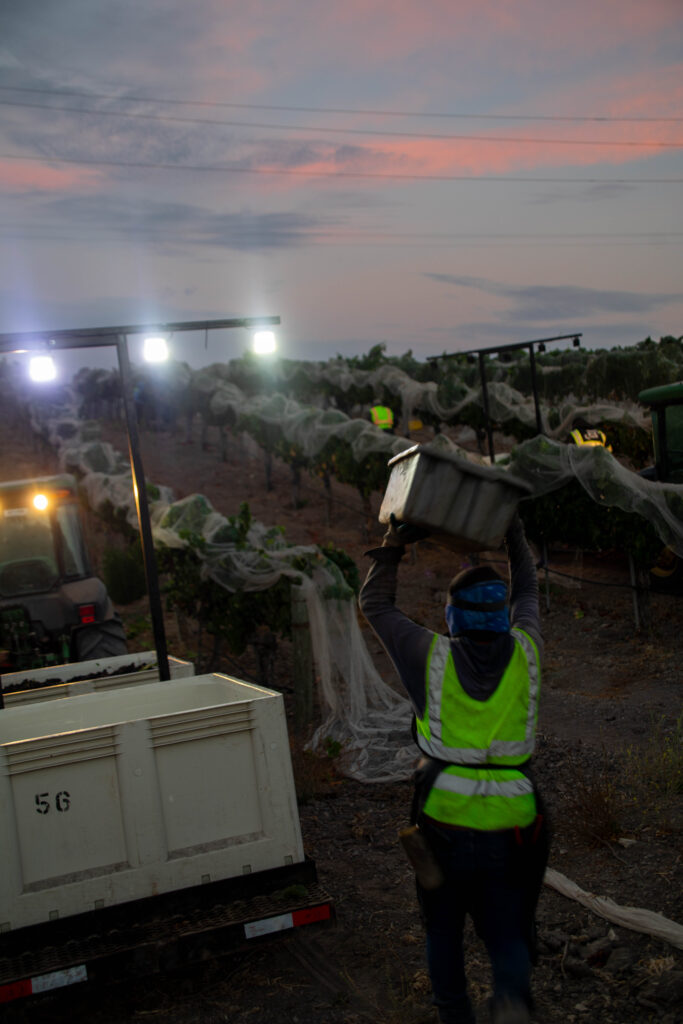
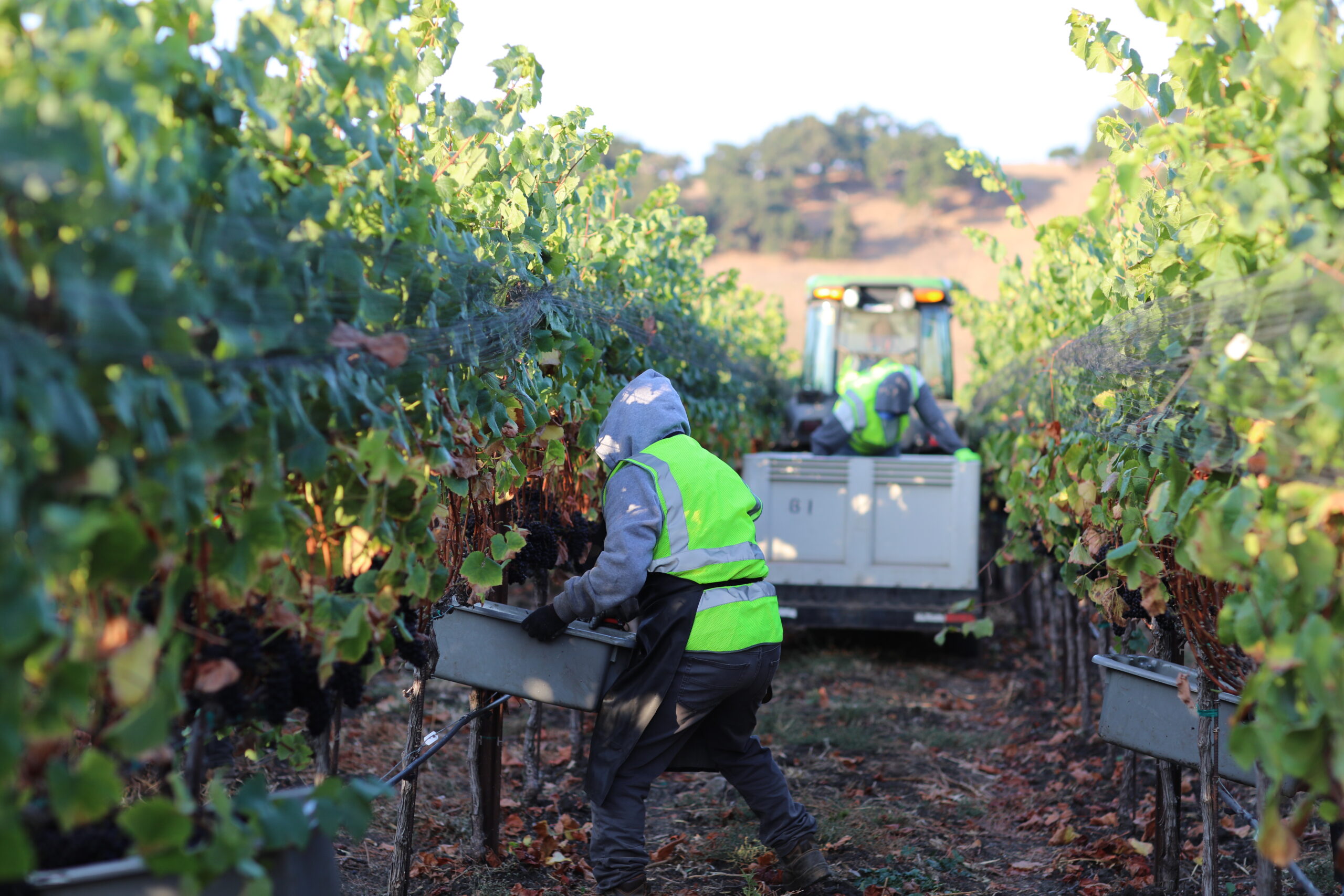
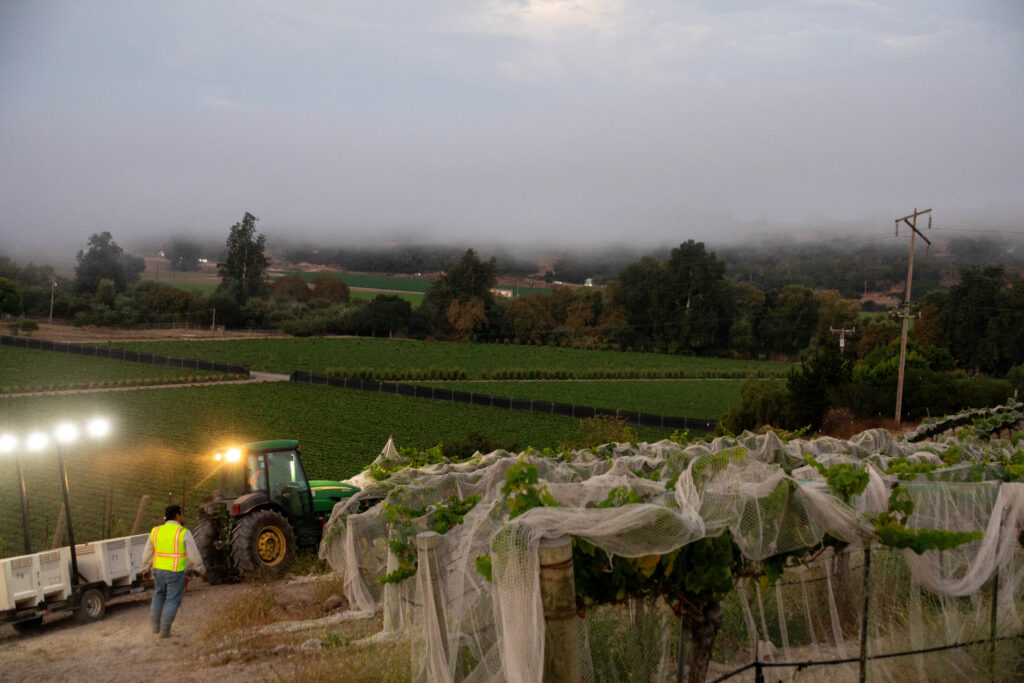
Watch a brief “day in the life” video of how we make our Pinot Noirs! From hand harvesting at night to hand sorting, daily punch downs, and gentle pressing, this video shows the whole process.

Next Post

Recipe | How to Pair Pizza with Wine

Read

Spring in SLOCal

Highlighting the Rincon Vineyard

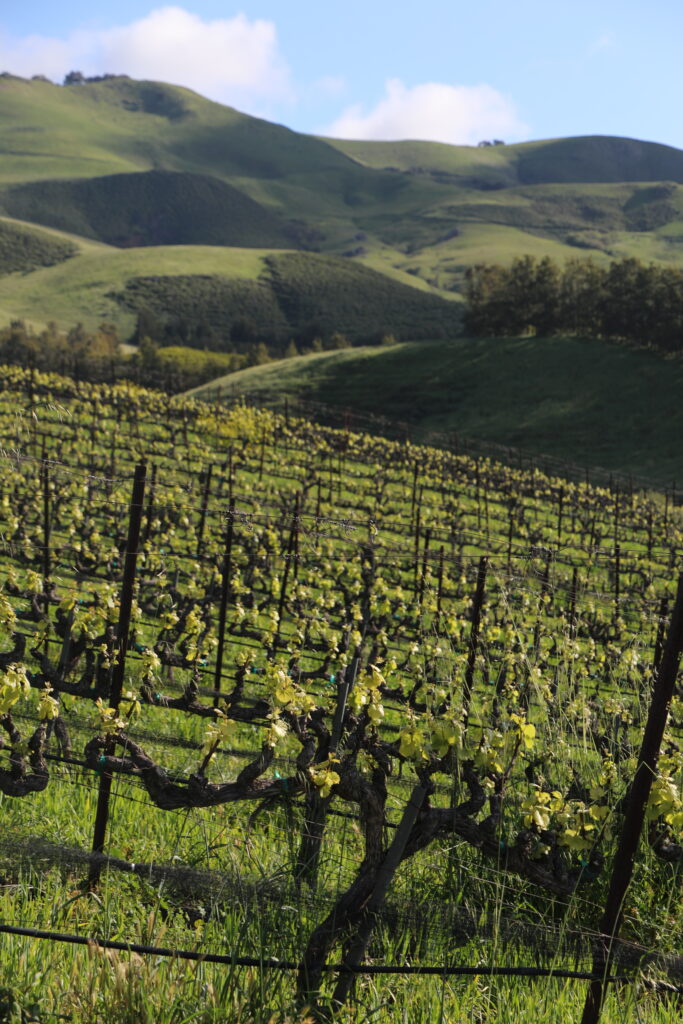
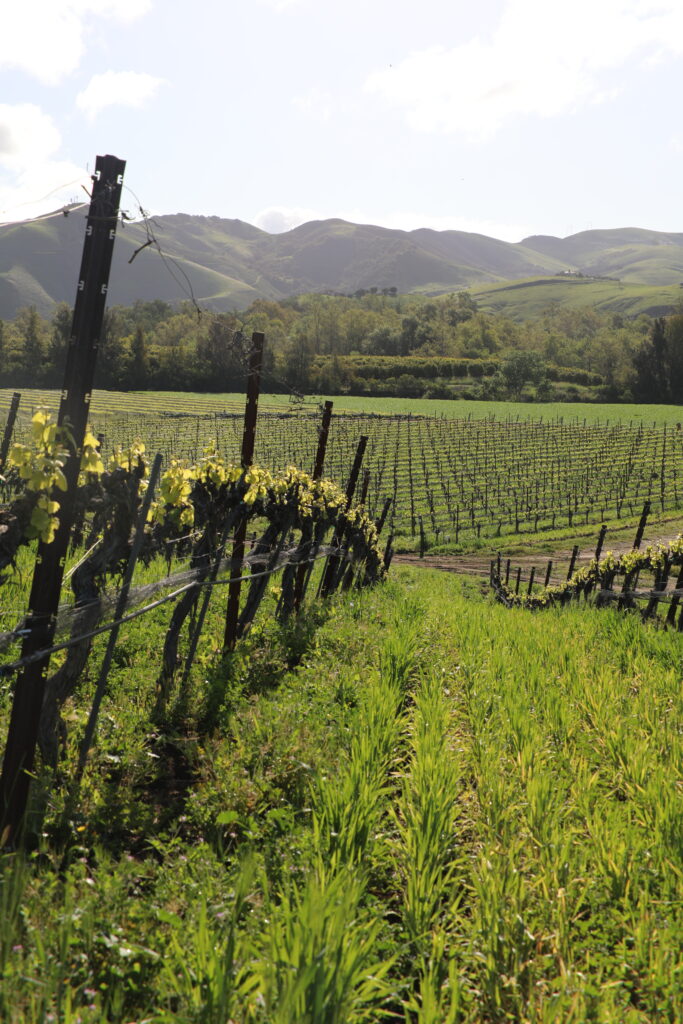
East Rincon Block 2 is a very special vineyard block to me.  It’s the oldest block that we farm, planted by my father in 1984, the year I graduated from high school.  It’s also the closest vineyard block to the winery and my office, so I get to see these vines every day.  Finally, it makes some of the very best Pinot Noir that we grow.

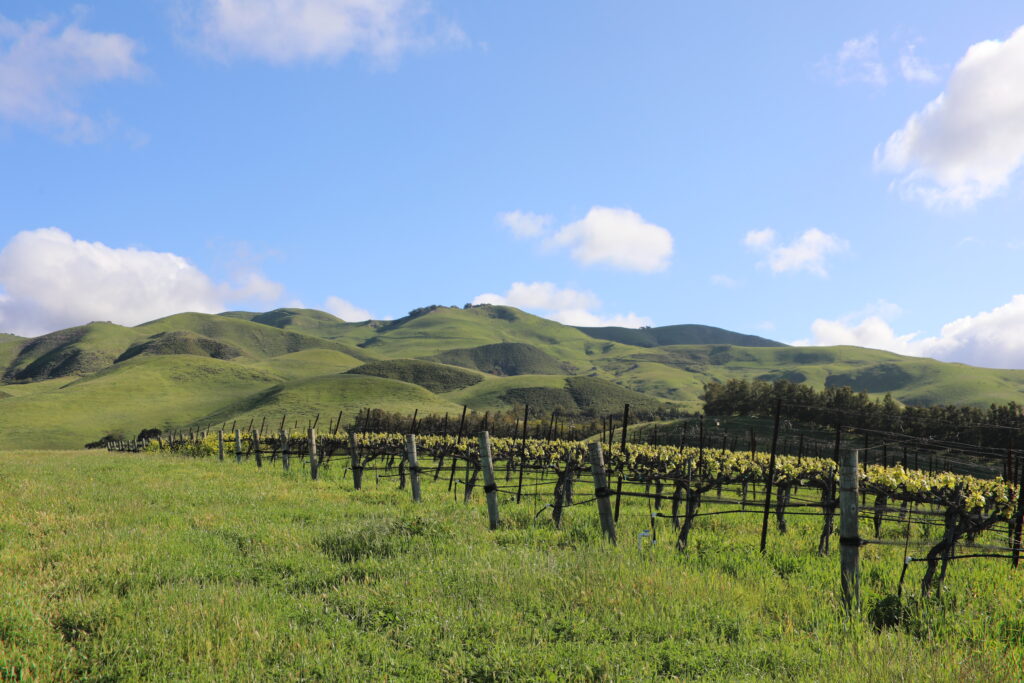
Bud break occurred 3 weeks ago, in early March.  I love to see the very uniform shoot growth, a harbinger of excellent quality for the coming harvest.  We’ve made a pass through the vineyard with the flail mower to mow the grass and chop the canes left after pruning, as well as the weed knife to control weeds in the vine row. The next step will be shoot thinning, when our ladies crew will remove suckers and weak shoots to promote vine growth to support the 2025 crop, which will mark 41 years since these vines were planted.  

After the historically small 2024 crop, my expectation is that our crop this year will be a bit more generous, and my ambition, just like every year, is to produce the best wine we’ve ever made from these vines.

– Brian Talley


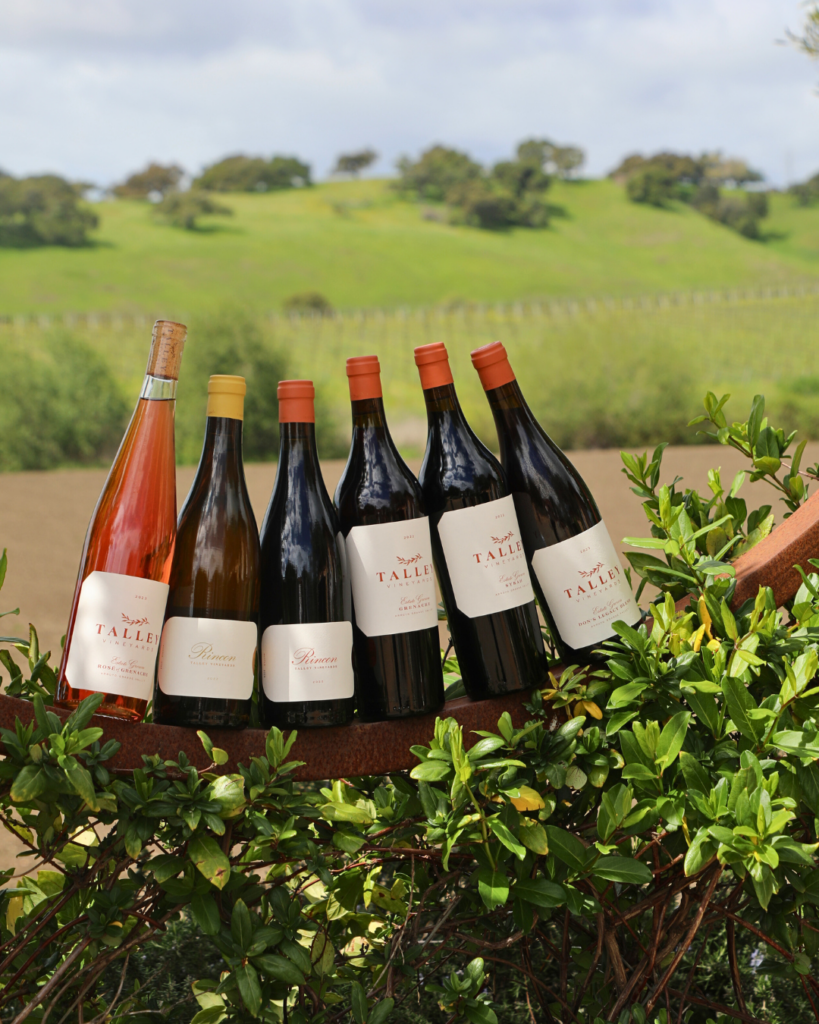
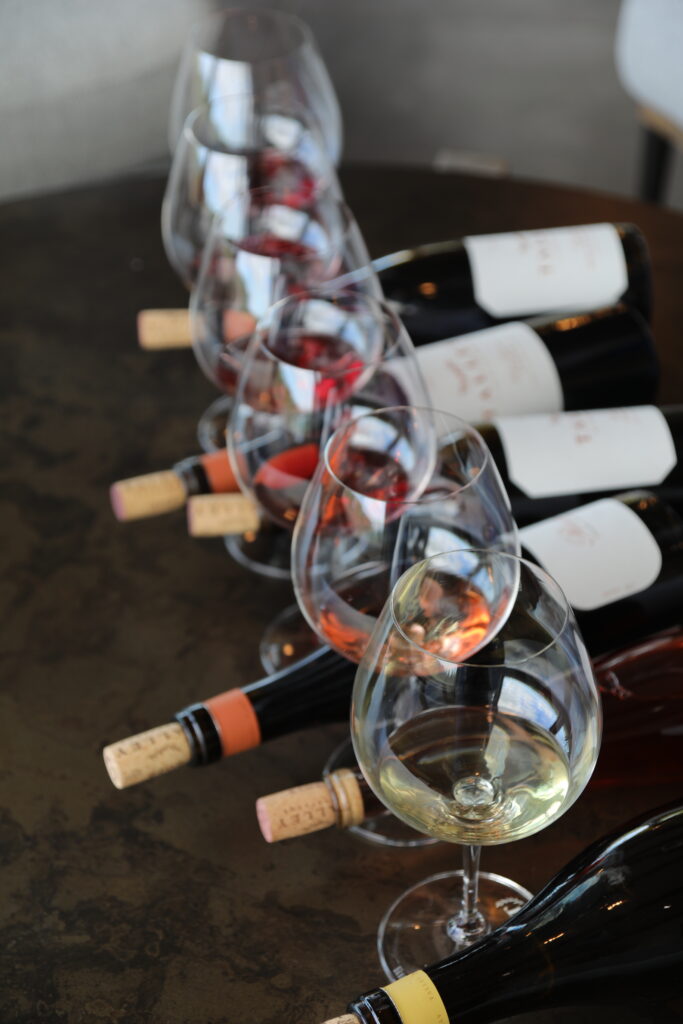
This April, we’re celebrating the story and significance of the Rincon Vineyard—with a special focus in our tasting room. Our Rincon Collection | Legacy Tasting offers guests a rare chance to experience the full range of wines sourced exclusively from this legendary site, including our newest releases of Rosé, Rincon Chardonnay, Rincon Pinot Noir, Grenache, Syrah, and Don’s Blend.

It’s a lineup that speaks to the depth and diversity of this vineyard—and a glimpse into what makes it truly Grand Cru–worthy.

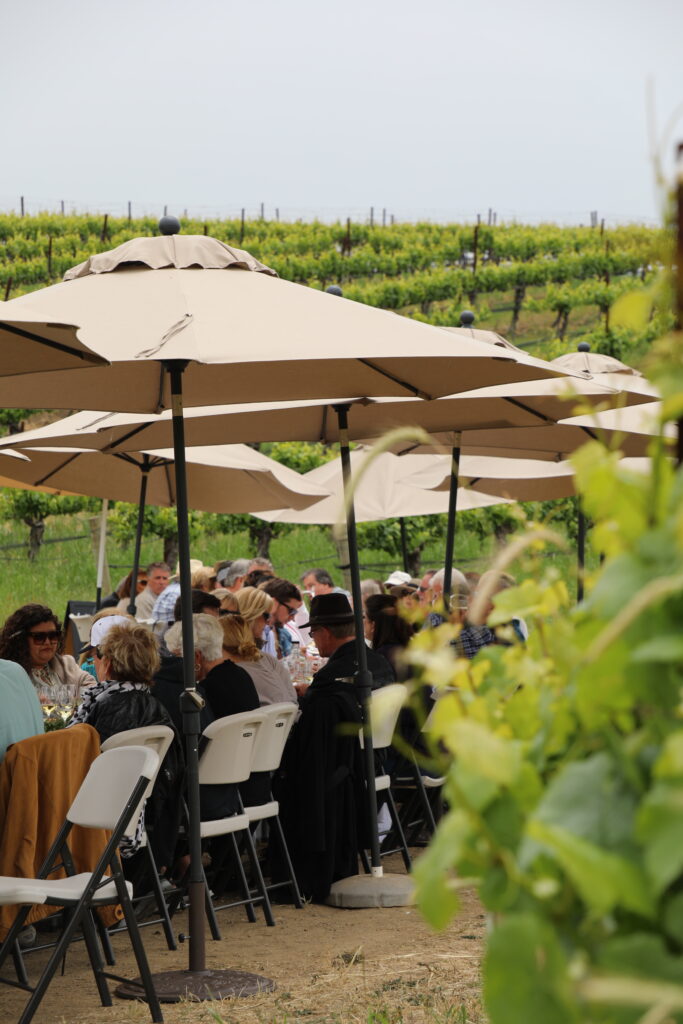
This limited-time flight is available through the end of April and leads up to the Rincon Vineyard Lunch on May 3, where we’ll celebrate the land, the season, and the wines that began right here. Join us at the table among the vines and experience Rincon where it all began.

Next Post

Celebrating 40 Years of Talley

Read

Celebrating 40 Years of Talley

Talley Vineyards: Generations in the Making

The story of Talley Vineyards began when my grandfather, Oliver Talley, began growing specialty vegetables in the Arroyo Grande Valley in 1948. In 1982, his son and my father, Don Talley, planted wine grapes on a rolling hillside parcel unsuitable for vegetable farming. Four years later, in 1986, he and my mother Rosemary founded Talley Vineyards.
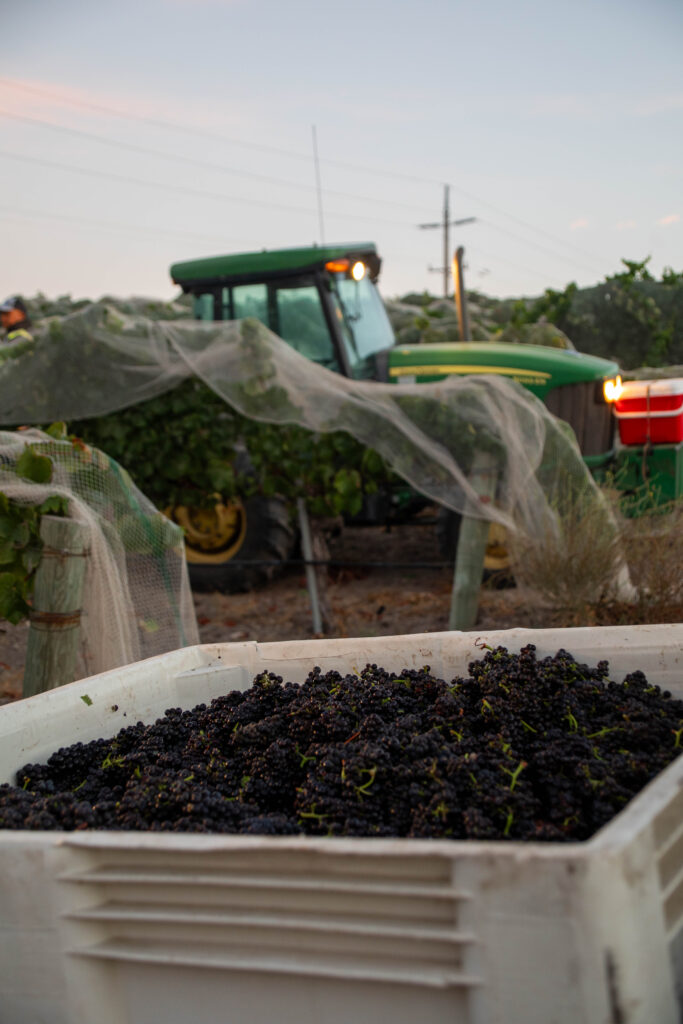
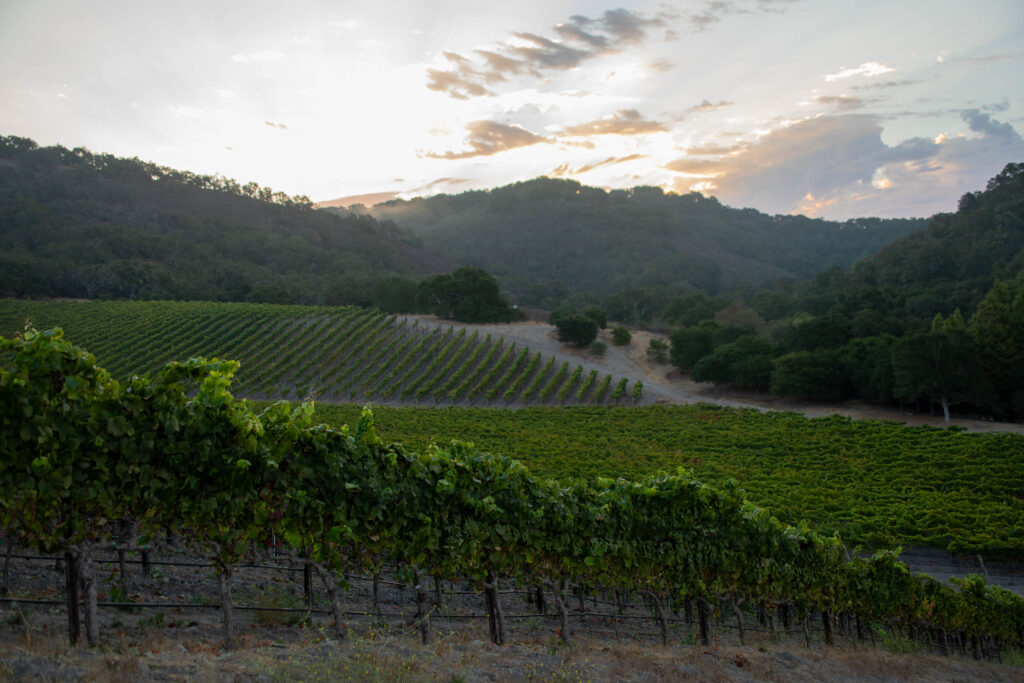
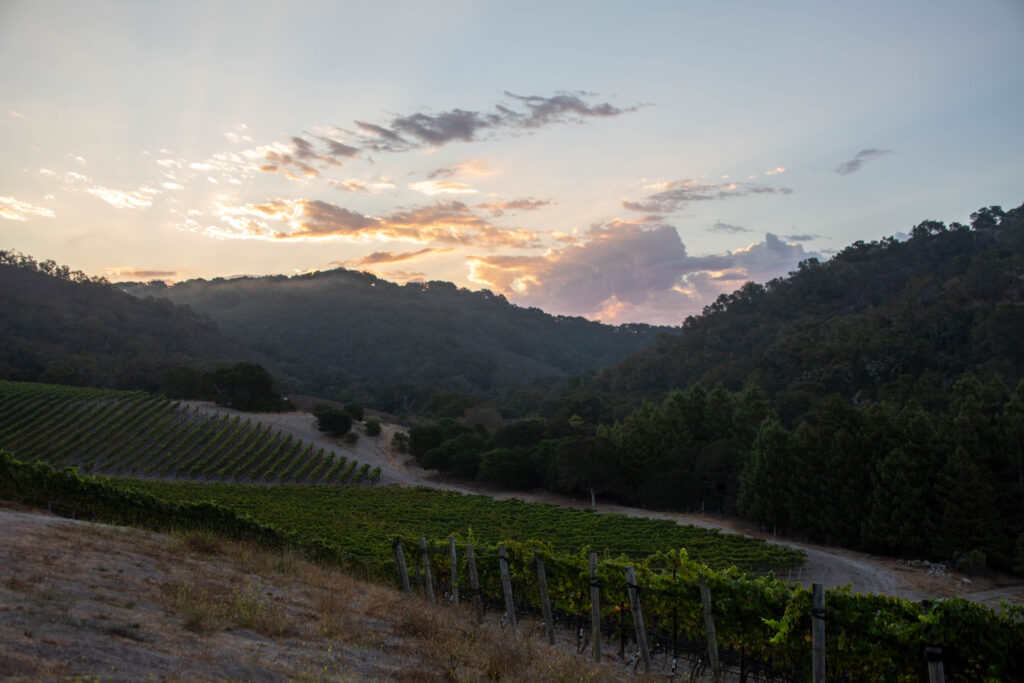
Talley Vineyards is located in the San Luis Obispo Coast American Viticultural Area (AVA) which is recognized as the coolest AVA in the state of California due to its direct proximity to the cold Pacific Ocean.  Within the San Luis Obispo Coast, there are two smaller AVAs, the Arroyo Grande Valley and the Edna Valley, and our family owns vineyards and farms in both valleys.  The cool climate of the area, coupled with calcareous clay and shaly loam soils, makes it ideally suited to grow Chardonnay and Pinot Noir, Talley Vineyards’ specialties.

Since the founding of Talley Vineyards, the goal has always been to produce estate grown wines that capture the unique character of the vineyards we farm.  There are now a total of seven vineyards owned and farmed by my family: West Rincon, East Rincon, Rosemary’s, Monte Sereno and Las Ventanas in the Arroyo Grande Valley as well as Oliver’s and Stone Corral in the Edna Valley. The signature bottlings of Estate Chardonnay and Pinot Noir, which date to the inaugural 1986 vintage, blend these vineyards together to produce wines meant to capture the essence of the larger San Luis Obispo Coast region:  energetic citrus infused Chardonnay and savory, ethereal Pinot Noir.  In addition, single vineyard bottlings are produced from most of our vineyards, and these are meant to reflect the distinctive character of each site.

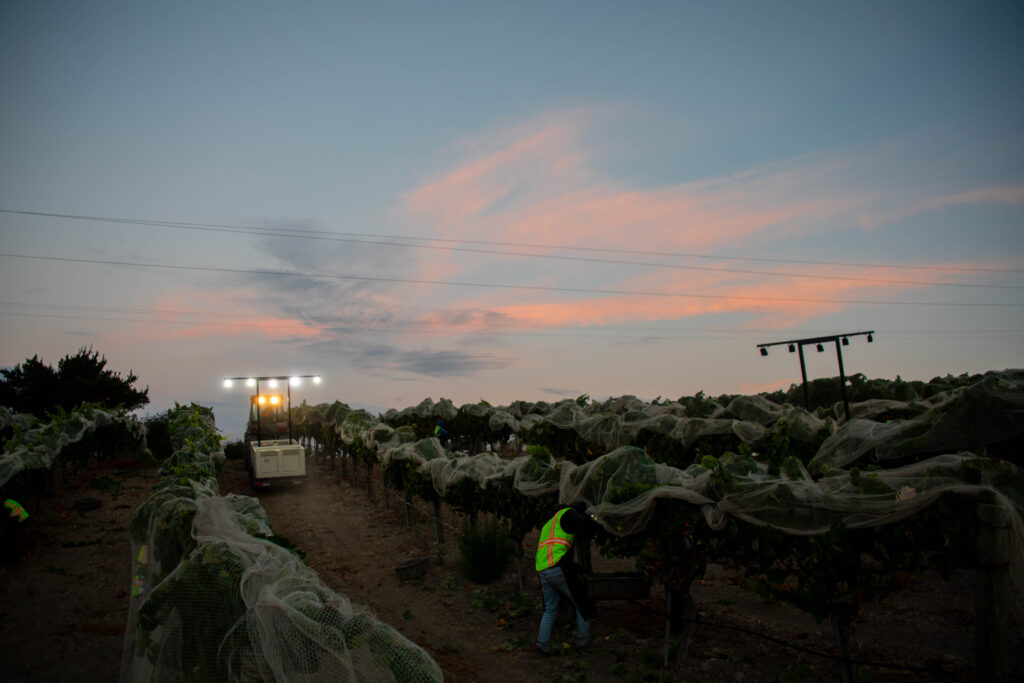
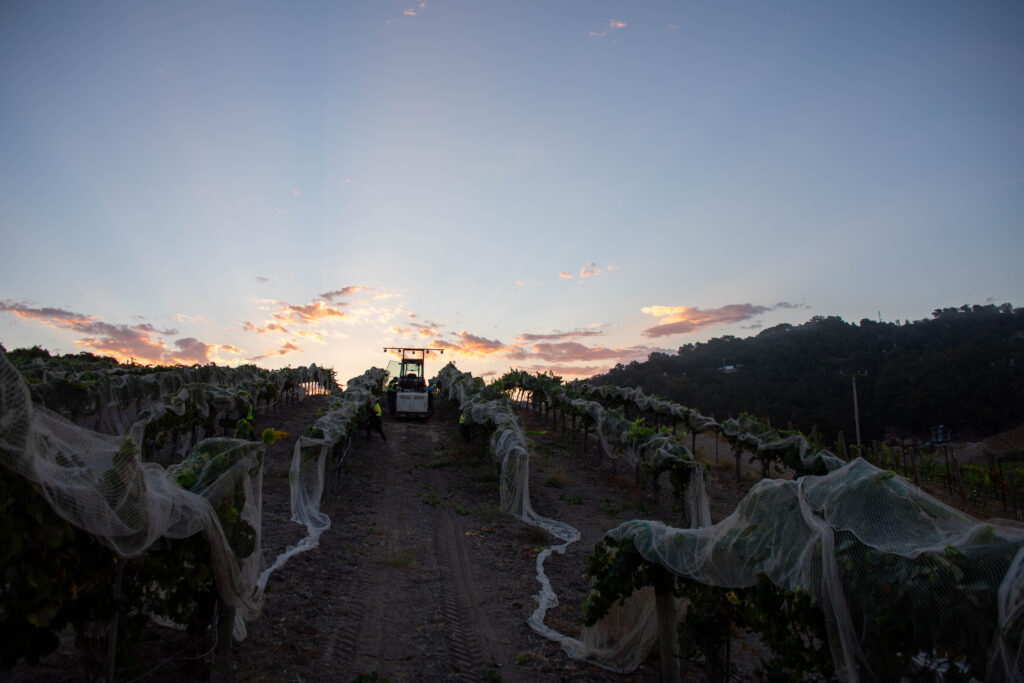
Optimum quality and long-term sustainability are the two principles that guide our winegrowing decisions.  I work with Eric Johnson, our Director of Viticulture and Winemaking, to continually strive to improve fruit quality while ensuring that vineyard practices work in harmony with the natural conditions of each vineyard site.  Certified sustainable practices are employed in the vineyard: grapes are gently hand harvested at night and no herbicides are used.Classical winemaking techniques are gentle and noninterventionist.  Native yeasts are employed in fermentation, all Chardonnay is barrel fermented and completes malolactic fermentation, while Pinot Noir is fermented in small open top fermenters and punched down by hand.  The wines are gently bottled, generally without fining or filtration.  All Talley Vineyards wines are certified sustainably produced and all are vegan.  

Talley Farms and Talley Vineyards continue to evolve.  There are now four members of the fourth generation of Talleys involved in the family farming and winery operation, which has grown to include more than 30 commodities and 6 wine varieties.  Our fruits, vegetables and wines are shipped all over the United States and exported to more than eight countries.  We are proud to share the bounty of the San Luis Obispo Coast with anyone who appreciates the authenticity and commitment to excellence that is the result of our four-generation family farming legacy in this very special region.

– Brian Talley

Next Post

Fall on the San Luis Obispo Coast

Read

Fall on the San Luis Obispo Coast

Autumn Abundance

Autumn is the season of abundance in our farming operation.  Over the past 76 years, since my grandfather started Talley Farms in 1948, that abundance has expanded immensely in both scale and diversity.  This fall we harvested more than a dozen different kinds of vegetables, six varieties of wine grapes, as well as lemons, avocados and three kinds of berries.  It’s fulfilling for everyone who works here to see all of their hard work pay off.

The 2024 wine grape harvest, our 38th since the founding of Talley Vineyards in 1986, was small, and quality appears to be exceptional.  An ideal growing season was capped with perfect weather during the crucial periods of ripening and harvest.  Pinot Noir production was about 30% below average and Chardonnay was down about 20%. Fermentations have filled the cellar with gorgeous aromas of baked brioche and framboise, and, most importantly, have been clean and uneventful.  I have high hopes for the 2024 vintage.  Most of the other crops that we grow have been both high in quality and production, which puts a smile on all of our faces.

Over the next few weeks, we will turn our attention to bottling the majority of wines that we produced in 2023, and I look forward to sharing these charming wines with you in early 2025.

– Brian Talley

Next Post

2024 Harvest Update

Read

2024 Harvest Update

Brian’s 2024 Harvest Update

September 30, 2024

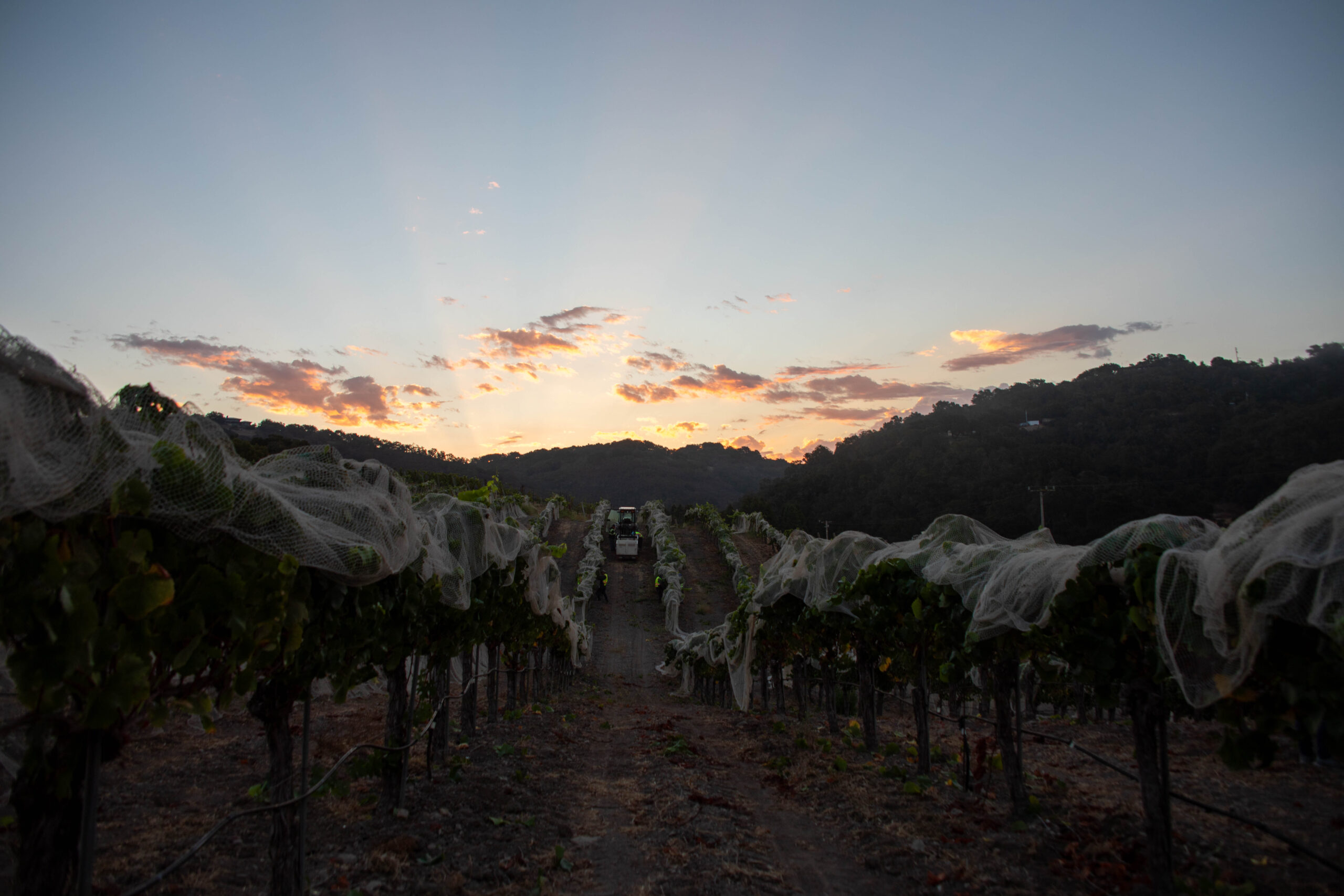
The 2024 harvest at Talley Vineyards began on September 3 with a small pick from West Rincon Block 5, one of the best sections of that vineyard.  This was 2 weeks earlier than our start in 2023 and one day later than we picked the same section in 2022.  On September 4, we picked Rosemary’s Block 7, the original planting of Pinot Noir in Rosemary’s Vineyard, which my father planted in 1987.  We made the strategic decision to harvest this block just before a heat wave which started the next day and persisted through September 11, when things cooled dramatically.  So far, yields are running at between about ½ and 2/3 of normal and quality looks great.  In many respects, it reminds me of the very successful 2022 vintage, which also saw low yields.

Overall, this has been an excellent growing season with cool weather persisting throughout the summer, until our September heatwave.  We were generally unaffected by the major heatwaves that impacted most of the United States in July and August.  We received just about 23 inches of rain this season, which is just above our annual average of 20 inches per year.  This was the second year in a row of above average rainfall, and it really benefited the vines. 
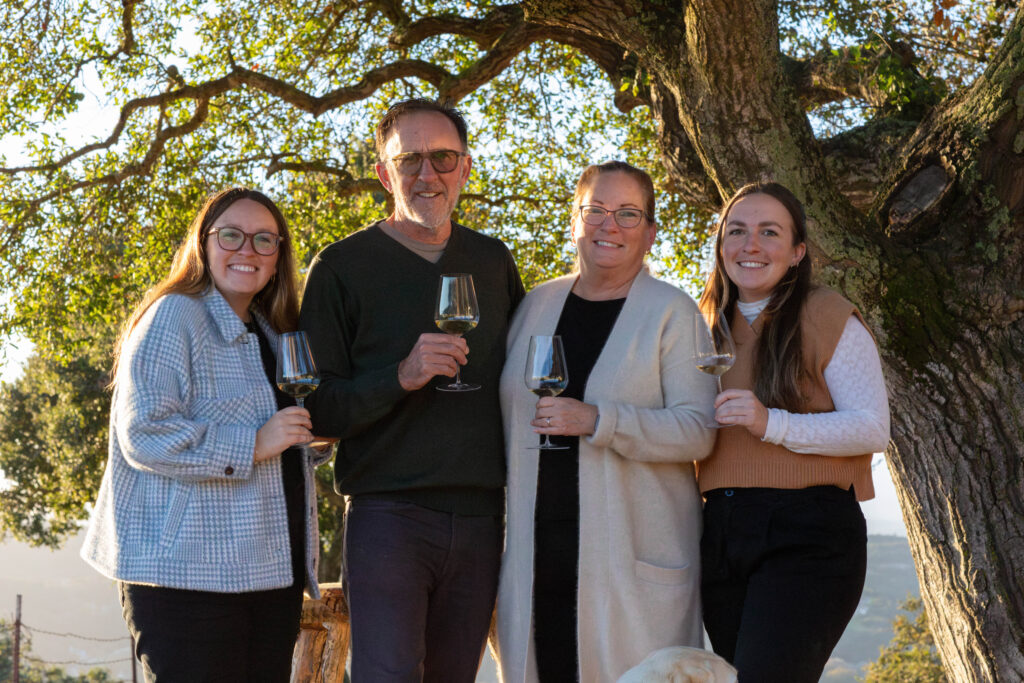
People often ask what explains yields that are above or below average.  I attribute our low yields this year to a couple of factors.  First, we had historically high yields in 2023, and in my experience, grapevines are somewhat alternate bearing, meaning that a high yield year is often followed by a lower yielding vintage.  In addition, much of the potential crop for the year is dictated by the weather conditions during the spring and early summer of the previous year when a process called bud differentiation occurs.  If you recall, 2023 was a historically wet year with about 50 inches of rain (more than double our average rainfall in the Arroyo Grande Valley) and we experienced consistently cloudy conditions during the spring and early summer.

A challenge this year has been intermittent power outages (almost daily from mid August through mid September) due to a combination of PG&E’s extremely sensitive equipment settings to mitigate wildfire risk and some aging and damaged wires in a very remote area to our east.  PG&E appears to have resolved the issue and we’ve experienced less frequent outages since mid September.

The unseasonably cool weather we’ve experienced through most of September has resulted in intermittent harvest as we wait for sugars to increase and flavors to develop.   This is a common occurrence and one of the reasons that the San Luis Obispo Coast experiences one of the longest harvest seasons of any winegrowing region in the world.  Hot weather is predicted starting tomorrow (October 1) and I anticipate that this will dramatically increase the pace of harvest.  As with most years, the vast majority of Chardonnay will be harvested in the month of October.

Join Our Crush Crew!

For the first time, we’re excited to share a little harvest tradition with you. For over 30 years, we’ve been creating custom crush crew t-shirts for our team. Each year, the theme naturally comes to us — from “Be Happy, Drink Chardonnay” and “Make Wine, Not War” to “2020 – Wines to Remember from a Year to Forget” and “The Year of the Wasp,” finally arriving at the year of “Banger Clusters.”

This year, we’ve been embracing the perfect pairing of wine and music. We sang “Lavender Haze” at the Secret Spot Dinner at the Lavender Farm, danced to the Molly Ringwald Project in our vintage band tees at Homecoming 1984, and enjoyed picnics with live music for the Adobe Encores. So, it only made sense for our t-shirt this year to be a Talley Vineyards Crush Crew Band Tee!

Next Post

The Adobe Encore

Read

Stone Corral Vineyard – a Celebration of Collaboration

The Stone Corral Vineyard is a 28 acre vineyard located in the Edna Valley which was planted entirely to Pinot Noir in 2001. Just four miles from the ocean, it’s unique for two very distinct reasons: First, the soils of the vineyard are far sandier than anything else we farm. Second, it’s the only vineyard in our region that was established and is managed on a collaborative basis. Every year, three bottlings of Stone Corral Vineyard Pinot Noir are produced by Talley Vineyards, Stephen Ross and Kynsi, each of whom has a long term lease for 1/3 of the vineyard.

The soil type of the vineyard is classified as Arnold Sandy Clay Loam which is composed of weathered sandstone, exists predominantly in the coastal ranges of San Luis Obispo and Santa Barbara Counties and is considered to be “excessively well drained.” Consequently, the vineyard dries out quickly and requires more frequent irrigation than the calcareous clays we farm in most other sites. This soil tends to produce a distinctly dark yet plush style of Pinot Noir relative to our Arroyo Grande Valley vineyard sites.

The idea to plant a collaborative vineyard came to me in the late 1990s. I had listened to winemakers complain that they couldn’t find any smaller vineyard parcels to develop as “estate” vineyards and that traditional tonnage contracts incentivized growers to produce large crops (undesirable for premium quality Pinot Noir).
Meanwhile, growers complained that winemakers insisted on unsustainably small production that wouldn’t cover the farming cost. I wanted to create a structure where the risk of the crop resided with the winemaker, who would receive the reward of making and selling highly acclaimed wine.

I explained this idea to my dad, and we settled on a lease structure wherein wineries would participate in the cost to plant the vineyard and pay the cost to farm their designated area, plus a rental fee. In return, they would receive the crop from that area and would control farming practices, crop yield, harvest decisions and other critical winegrowing choices.

Now that we had a business structure in place, the question became who to approach about this concept.

An obvious candidate was Kynsi winery, owned by Don and Gwen Othman, because they leased winery space from us adjacent to the site of the vineyard.  As I thought about other candidates, I realized that Steve and Paula Dooley, owners of the Stephen Ross winery, could be good partners. Steve had an extensive background as a winemaker and had served in that role at the Edna Valley Vineyard. Paula had strong business chops as an executive with American Airlines. I’ll never forget approaching them at a family picnic in the late 90s and their immediate enthusiasm for the idea.

Before I new it, leases were signed, vines were ordered and the Stone Corral Vineyard was planted in 2001. Gwen Othman came up with the name, the English translation of Corral de Piedra, the historic land grant that underlay the site. Since that time, Stone Corral has emerged as the most highly acclaimed Pinot Noir vineyard in the Edna Valley.  I appreciate the opportunity to collaborate with winemakers who share Talley Vineyards’ commitment to excellence and focus on capturing the special character of this unique vineyard site. Cheers to our 20 year partnership!